
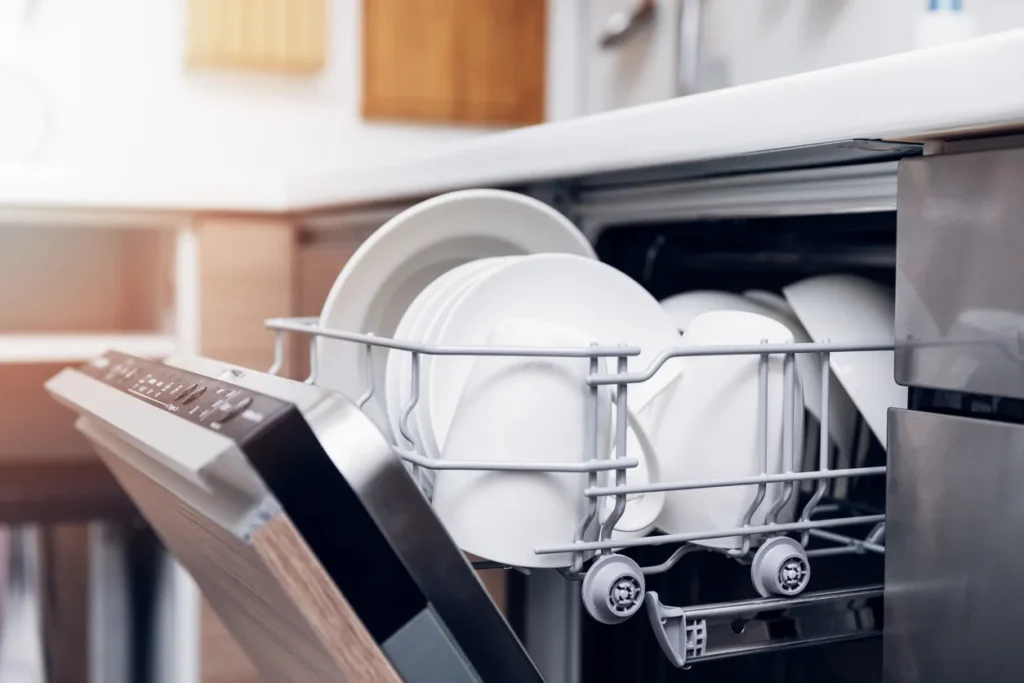
Home appliances make daily life easier, but even the best machines can break down over time. In many cases, these problems are caused by simple issues related to wear and tear or everyday use. A leaky dishwasher is often linked to a worn gasket, a jammed garbage disposal usually results from a clog, and a clogged refrigerator filter can slow down ice production. The good news? Problems like these can often be handled with a little elbow grease and know-how.
Before calling in a professional, consider these five DIY appliance repair projects. We’ll guide you through each one with clear instructions, so you can get your systems back up and running.
Before You Start: Check Your Warranty
Before grabbing your tools, take a moment to check whether your appliance is still under warranty. Many manufacturers offer coverage for parts and labor for a set period after purchase, and performing your own repairs could void that protection.
It’s also worth checking whether you have a service or repair warranty from a previous visit. For example, AAA Service Network provides a one-year warranty on all our appliance repairs. If we’ve serviced your system recently, you may already be covered.
Confirming your warranty—whether from the manufacturer or a trusted service provider—can save you time, money, and unnecessary effort before attempting a DIY appliance repair. Once you’ve confirmed your warranty status and gathered your tools, you’re ready to tackle a few common fixes around the house.
1. Fixing a Leaky Dishwasher
A leaky dishwasher can cause water damage and disrupt your kitchen routine. Luckily, fixing this common issue is relatively simple. Begin by locating the source of the leak, which could be a faulty door gasket, a worn-out pump seal, or a loose connection.
Depending on the problem, you may need a replacement gasket, sealant, or a wrench to tighten connections. Follow the manufacturer’s instructions or refer to online tutorials for step-by-step guidance.
2. Unclogging a Garbage Disposal
A jammed garbage disposal can be a frustrating and smelly problem to endure. Before reaching for the phone, try unclogging it by turning off the disposal and using a flashlight to inspect the drain. You might find a foreign object obstructing the blades.
Using a pair of pliers or tongs, carefully remove the blockage, ensuring the disposal is switched off and unplugged. Once cleared, press the reset button on the bottom of the unit and run water to test its functionality.
3. Replacing a Refrigerator Water Filter
If you notice a decline in water quality from your refrigerator’s dispenser, a clogged water filter may be to blame. Fortunately, replacing the filter is a straightforward task. First, consult your appliance’s user manual to determine the filter type and location.
Generally, it involves turning off the water supply, removing the old filter, and installing the new one. Remember to flush the system before use, as the manufacturer instructs, to ensure proper functionality.
4. Repairing a Faulty Oven Igniter
A gas oven with a faulty igniter can prevent it from heating up, causing a major inconvenience in the kitchen. Thankfully, replacing the igniter is a relatively easy repair. Begin by turning off the gas supply to the oven and disconnecting it from the power source.
Locate the igniter near the burner assembly, and remove any screws or connectors holding it in place. Replace the old igniter with a new one, carefully reconnect all wires, and test the oven’s operation.
5. Replacing a Washing Machine Belt
A washing machine that refuses to spin or agitate might have a worn-out or broken belt. You can replace the belt with a few tools and some patience. Start by unplugging the machine and locating the access panel at the back or side of the unit. Remove the panel to expose the belt.
Take note of the diagram displaying the belt’s configuration and then release the tension by adjusting the motor mount or idler pulley. Carefully remove the old belt and install the new one, following the diagram you referenced earlier. Finally, reassemble the access panel and test the washing machine.
When To Call a Professional
Many appliance repairs can be handled by DIY enthusiasts, but certain tasks are safer and more reliable when performed by a professional. Contact a qualified technician if:
- You notice a gas leak or smell gas
- You are working on high-voltage appliances, such as dryers or ovens
- The repair is beyond your skill level or requires specialized tools
These situations carry risks that can cause serious injury, damage your appliance, or create hazards in your home. When in doubt, calling a reputable appliance repair professional can protect your safety and prevent further damage to your appliances.
Trust AAA Service Network With Your Appliance Repair Needs
While a DIY appliance repair could save you time and money, some problems are best handled by a professional. When an appliance needs more than a quick fix, AAA Service Network is here to help. We repair all major home appliances—including refrigerators, washers, dryers, ovens, dishwashers, and garbage disposals—for homeowners across Southeast Michigan. Our technicians handle almost any major brand and get to the root of the problem fast.
Choosing professional repair can save you money in the long run. Most repairs cost much less than replacing your appliance, and every service comes with a one-year warranty for peace of mind. With our experience and commitment to getting appliances working like new, AAA Service Network is the team you can trust. Schedule online or call today to book your appliance service!